How to Make Classic Mac and Cheese From Scratch
Making Classic Mac and Cheese From Scratch is a fundamental skill that transforms simple pantry staples into pure comfort. By mastering a proper béchamel sauce and choosing the right cheeses, you can create a dish that far surpasses any boxed version. This process relies on balancing creamy textures with a sharp, savory flavor profile.
Whether you are preparing a quick weeknight dinner or a side dish for a large gathering, the effort you put into the sauce will pay off in every bite. Follow these steps to ensure your macaroni cheese turns out velvety, rich, and perfectly browned every single time you head to the kitchen.
- Prep time: 15 minutes
- Cook time: 30 minutes
- Total time: 45 minutes
- Servings: 4
- Calories: 420 per serving
Ingredients
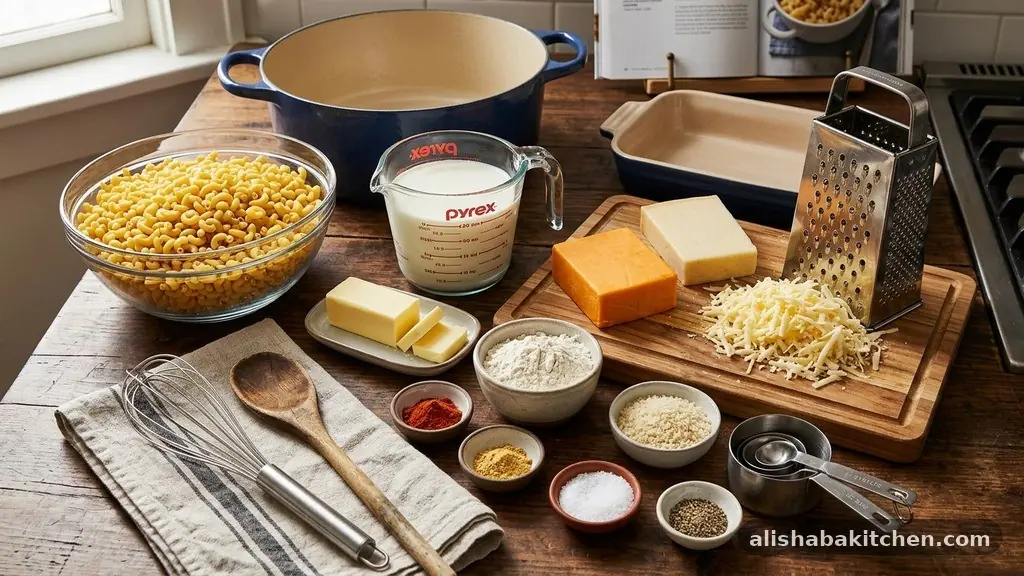
- 16 ounces elbow macaroni or cavatappi pasta
- 4 tablespoons unsalted butter
- 1/4 cup all-purpose flour
- 3 cups whole milk, warmed
- 1/2 cup heavy cream
- 4 cups sharp cheddar cheese, freshly shredded
- 1 cup Gruyère cheese, freshly shredded
- 1/2 teaspoon smoked paprika
- 1/2 teaspoon dry mustard powder
- 1/4 teaspoon ground nutmeg
- 1 teaspoon kosher salt, plus more for pasta water
- 1/2 teaspoon freshly cracked black pepper
- 1/2 cup panko breadcrumbs for the topping
- 2 tablespoons melted butter for the topping
Instructions
- Preheat your oven to 375°F (190°C) and lightly grease a 9×13 inch baking dish with butter.
- Bring a large pot of heavily salted water to a boil and cook the pasta until just shy of al dente, about 7 minutes.
- Drain the pasta, rinse it briefly with cool water to stop the cooking process, and set it aside.
- In a large saucepan or Dutch oven, melt the 4 tablespoons of butter over medium heat until it begins to foam.
- Whisk in the flour and cook for about 2 minutes to eliminate the raw starch taste, ensuring the mixture remains a pale blonde color.
- Slowly pour in the warm milk and heavy cream while whisking constantly to prevent any lumps from forming in the base.
- Continue to cook the sauce over medium-low heat, stirring frequently until it thickens enough to coat the back of a spoon.
- Remove the saucepan from the heat and stir in the paprika, mustard powder, nutmeg, salt, and pepper.
- Gradually add the shredded cheddar and Gruyère cheeses, stirring until the mixture is completely smooth and emulsified into a rich cheese sauce.
- Fold the cooked pasta into the cheese sauce, ensuring every noodle is thoroughly coated in the creamy mixture.
- Transfer the mac cheese into the prepared baking dish and spread it into an even layer.
- Combine the panko breadcrumbs with the 2 tablespoons of melted butter in a small bowl, then sprinkle this mixture evenly over the top of the pasta.
- Place the dish in the oven and bake until the top is golden brown and the edges are bubbling, about 15 to 20 minutes.
- Remove from the oven and let the dish rest for 5 minutes before serving to allow the sauce to set slightly.
The Science of the Cheese Sauce
The heart of any great baked pasta dish is a stable, silky base known as a mornay sauce. This starts with a roux, which is simply a cooked mixture of equal parts fat and flour. When you add liquid to this roux, the starch molecules expand and thicken the milk, creating a foundation that won’t separate under heat.
Many home cooks struggle with grainy sauces, but the secret lies in temperature control. Always remove your pan from the heat before stirring in your cheese to prevent the proteins from tightening and turning oily.
Freshly shredded cheese is non-negotiable when making Classic Mac and Cheese From Scratch. Pre-packaged shredded cheese contains anti-caking agents like cellulose, which prevents it from melting into a smooth, cohesive sauce.
If you want that signature “pull” and creamy consistency, take the extra five minutes to use a box grater on a block of high-quality cheddar. This simple step ensures your sauce remains glossy and avoids the gritty texture that often plagues quick-fix versions of the dish.
Selecting the Perfect Pasta Shape
While elbow macaroni is the traditional choice, the shape of your pasta significantly impacts the final eating experience. You want a noodle that can capture and hold the cheese sauce within its crevices rather than letting it slide off.
Shapes like cavatappi, shells, or orecchiette are excellent alternatives because they have deep ridges or hollow centers specifically designed to trap sauce. Regardless of the shape you choose, always undercook your pasta by about two minutes compared to the package instructions.
The pasta will continue to absorb moisture and soften while it bakes in the oven. If you cook it fully before adding the sauce, you will likely end up with mushy, over-processed noodles.
By keeping the pasta “al dente,” you ensure it maintains a pleasant chewiness that contrasts beautifully with the soft, decadent cheese coating. This structural integrity is what separates a homemade masterpiece from a soggy, unappealing bowl of noodles.
Building Layers of Flavor
A truly memorable macaroni cheese relies on more than just salt and fat. Incorporating spices like dry mustard powder and smoked paprika adds a subtle depth that cuts through the richness of the dairy.
Nutmeg is a classic addition to white sauces, providing a warm, earthy aroma that highlights the sharpness of aged cheddar. You can further experiment by adding a dash of Worcestershire sauce or even a tiny amount of hot sauce to brighten the profile.
Don’t be afraid to mix your cheese varieties to create a more complex flavor. While sharp cheddar provides the necessary bite, Gruyère adds a nutty, sophisticated undertone that elevates the entire dish.
Some chefs even swear by a small amount of fontina or smoked gouda for a deeper, more aromatic experience. You can find more information about safe food handling practices to ensure your dairy products are stored and prepared in a way that maximizes quality and freshness.
Achieving the Ultimate Texture
The contrast between the creamy interior and the crunchy topping is what makes this dish a true comfort food classic. If you prefer a lighter crunch, panko breadcrumbs are the superior choice, as they provide an airy, crispy texture that doesn’t become heavy or greasy.
For a more traditional, rustic feel, you can use crushed butter crackers or even a mixture of parmesan cheese and breadcrumbs. The key is to ensure the topping is distributed evenly so that every portion receives a bit of that satisfying crunch.
If you find that your sauce is too thick before it even hits the oven, simply add a splash of warm milk to loosen it up. The sauce should be slightly runnier than you want it to be in the final dish, as the starches in the pasta will soak up a significant amount of liquid during the baking time. By monitoring the consistency of your cheese sauce as you stir, you gain the intuition needed to produce a perfect result every time you practice making Classic Mac and Cheese From Scratch.
Frequently Asked Questions
Can I make this dish ahead of time?
Yes, you can prepare the entire dish up to the point of baking. Assemble the mac and cheese in the dish, let it cool completely, cover it tightly, and keep it in the refrigerator for up to 24 hours. When you are ready to eat, simply add the breadcrumb topping and bake as directed, adding an extra 5 to 10 minutes to the cook time if it is coming straight from the fridge.
Is it better to use milk or heavy cream?
Using a combination of both is the ideal approach for the best texture. Whole milk provides the necessary volume and moisture, while heavy cream adds a luxurious, velvety mouthfeel that prevents the sauce from feeling thin. If you only have milk on hand, you can increase the amount of butter slightly to compensate for the lack of fat, but the cream truly makes a noticeable difference in richness.
How do I prevent the cheese from separating?
The biggest culprit for a separated or oily sauce is high heat. Always take your saucepan off the burner entirely before you begin adding the shredded cheese. Stir the cheese in handfuls, allowing each batch to melt fully before adding the next, which helps the emulsion remain stable and smooth.
Can I freeze the leftovers?
While you can freeze leftovers, the texture of the pasta and sauce may change slightly upon reheating. To get the best results, freeze the dish in an airtight container for up to two months and thaw it in the refrigerator overnight before reheating in the oven. Adding a small splash of milk when reheating can help restore the original creamy consistency of the cheese sauce.
Final Thoughts
Mastering the art of making Classic Mac and Cheese From Scratch is a journey of understanding how simple ingredients interact to create something much greater than the sum of their parts. By focusing on a quality roux, choosing fresh cheeses, and respecting the cooking times, you create a dish that brings genuine warmth to any table. This recipe provides a reliable foundation, but the true joy comes from making it your own through small adjustments and high-quality ingredients.
Whether you share this with family or keep it all to yourself, the satisfaction of a homemade, perfectly baked meal is unmatched. Take your time with the sauce, enjoy the process of grating your own cheese, and don’t hesitate to experiment with your favorite flavor profiles to make this timeless dish truly your own.
How to Make Classic Mac and Cheese From Scratch
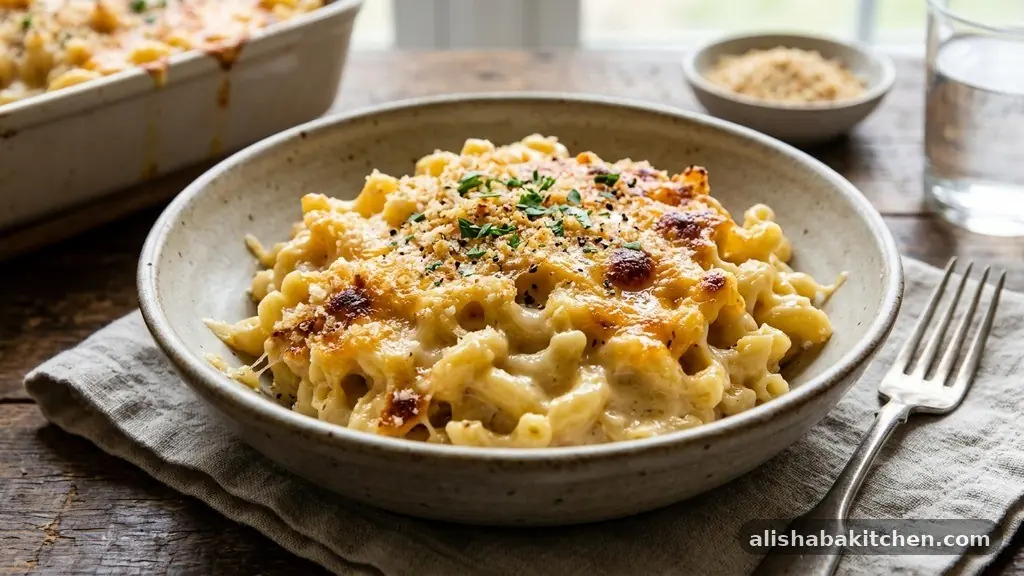
Making Classic Mac and Cheese From Scratch is a fundamental skill that transforms simple pantry staples into pure comfort. By mastering a proper béchamel sauce and choosing the right cheeses, you can create a dish that far surpasses any boxed version.
Ingredients
- 16 ounces elbow macaroni or cavatappi pasta
- 4 tablespoons unsalted butter
- 1/4 cup all-purpose flour
- 3 cups whole milk , warmed
- 1/2 cup heavy cream
- 4 cups sharp cheddar cheese , freshly shredded
- 1 cup Gruyère cheese, freshly shredded
- 1/2 teaspoon smoked paprika
- 1/2 teaspoon dry mustard powder
- 1/4 teaspoon ground nutmeg
- 1 teaspoon kosher salt, plus more for pasta water
- 1/2 teaspoon freshly cracked black pepper
- 1/2 cup panko breadcrumbs for the topping
- 2 tablespoons melted butter for the topping
Instructions
- Preheat your oven to 375°F (190°C) and lightly grease a 9×13 inch baking dish with butter.
- Bring a large pot of heavily salted water to a boil and cook the pasta until just shy of al dente, about 7 minutes.
- Drain the pasta, rinse it briefly with cool water to stop the cooking process, and set it aside.
- In a large saucepan or Dutch oven, melt the 4 tablespoons of butter over medium heat until it begins to foam.
- Whisk in the flour and cook for about 2 minutes to eliminate the raw starch taste, ensuring the mixture remains a pale blonde color.
- Slowly pour in the warm milk and heavy cream while whisking constantly to prevent any lumps from forming in the base.
- Continue to cook the sauce over medium-low heat, stirring frequently until it thickens enough to coat the back of a spoon.
- Remove the saucepan from the heat and stir in the paprika, mustard powder, nutmeg, salt, and pepper.
- Gradually add the shredded cheddar and Gruyère cheeses, stirring until the mixture is completely smooth and emulsified into a rich cheese sauce .
- Fold the cooked pasta into the cheese sauce, ensuring every noodle is thoroughly coated in the creamy mixture.
- Transfer the mac cheese into the prepared baking dish and spread it into an even layer.
- Combine the panko breadcrumbs with the 2 tablespoons of melted butter in a small bowl, then sprinkle this mixture evenly over the top of the pasta.
- Place the dish in the oven and bake until the top is golden brown and the edges are bubbling, about 15 to 20 minutes.
- Remove from the oven and let the dish rest for 5 minutes before serving to allow the sauce to set slightly.
Similar Posts
Creamy Garlic Chicken Recipe for a Quick Family Dinner
Finding a reliable Creamy Garlic Chicken Recipe for a Quick Family Dinner can transform your weeknight routine into something special. This dish balances tender poultry with a rich, aromatic sauce that feels indulgent but comes together in under forty-five minutes. You’ll appreciate how the simple ingredients meld into a restaurant-quality meal that satisfies even the…
Easy Homemade Tomato Soup for a Cozy Dinner
Crafting an easy Homemade Tomato Soup for a Cozy Dinner is one of the most rewarding ways to spend an hour in your kitchen. This classic dish balances bright acidity with a comforting, velvety texture that store-bought versions simply cannot replicate. By selecting quality ingredients and allowing them to simmer together, you create a meal…
Easy Homemade Beef Burgers With Simple Ingredients
Making easy Homemade Beef Burgers With Simple Ingredients is one of the most rewarding skills you can bring into your kitchen. You don’t need fancy equipment or a long list of obscure items to create a juicy, flavorful meal that beats any fast-food alternative. By focusing on high-quality meat and a few pantry staples, you…
How to Make Crispy Homemade Chicken Tenders
Making Crispy Homemade Chicken Tenders is a straightforward process that yields a result far superior to anything you will find in a freezer bag. By mastering a few simple techniques for breading and heat management, you can achieve a satisfying crunch that remains light rather than greasy. Whether you prefer the deep-fried classic or a…
Simple Chicken Rice Recipe for a Complete Family Meal
Finding a reliable, simple Chicken Rice Recipe for a Complete Family Meal is the secret to stress-free weeknight dinners. This dish combines tender protein and fluffy grains into one pot, saving you time on cleanup while delivering comfort in every bite. Whether you are feeding hungry kids or looking for a quick meal prep solution,…
How to Make Fluffy Homemade Pancakes From Scratch
Learning the art of making Fluffy Homemade Pancakes From Scratch transforms an ordinary weekend morning into a cozy, memorable event. There is something deeply satisfying about whisking together basic pantry staples and watching them rise into tall, golden rounds on a hot griddle. These cakes are light, airy, and far superior to any boxed mix…