How to Make Fluffy Homemade Pancakes From Scratch
Learning the art of making Fluffy Homemade Pancakes From Scratch transforms an ordinary weekend morning into a cozy, memorable event. There is something deeply satisfying about whisking together basic pantry staples and watching them rise into tall, golden rounds on a hot griddle.
These cakes are light, airy, and far superior to any boxed mix you might find on a grocery store shelf. By mastering a few simple techniques, you will consistently achieve that elusive, cloud-like texture that makes breakfast feel like a true celebration.
- Prep time: 15 minutes
- Cook time: 30 minutes
- Total time: 45 minutes
- Servings: 4
- Calories: 420 per serving
Ingredients
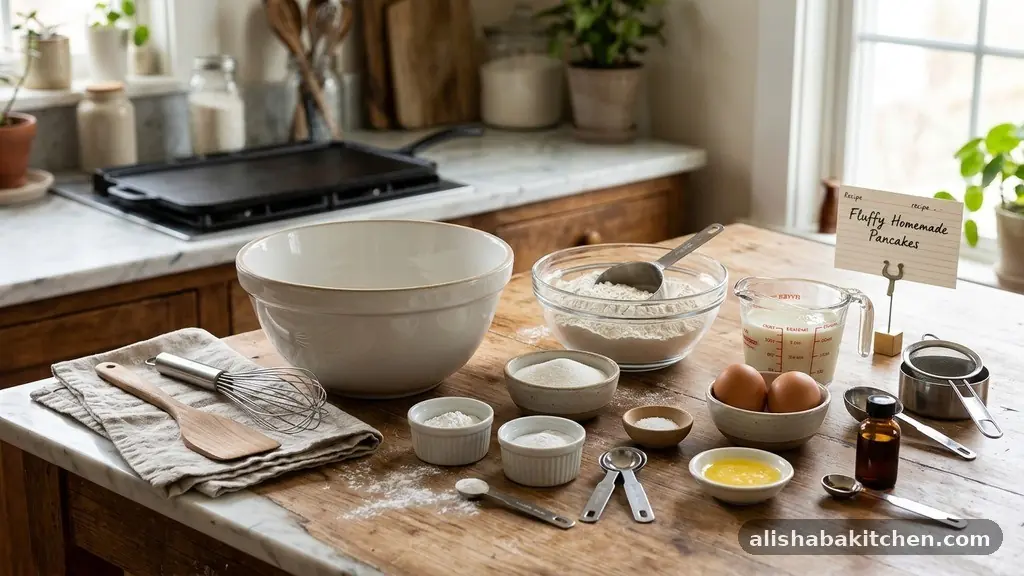
- 2 cups all-purpose flour
- 2 tablespoons granulated sugar
- 4 teaspoons baking powder
- 1/2 teaspoon fine sea salt
- 1 3/4 cups whole milk, at room temperature
- 1 large egg, lightly beaten
- 4 tablespoons unsalted butter, melted and slightly cooled
- 1 teaspoon pure vanilla extract
- Additional butter or neutral oil for the pan
Instructions
- In a large mixing bowl, whisk together the flour, sugar, baking powder, and salt until well combined and aerated.
- Create a small well in the center of the dry ingredients to prepare for the wet components.
- In a separate medium bowl, whisk the milk, egg, melted butter, and vanilla extract until the mixture is uniform.
- Pour the wet mixture into the well of the dry ingredients.
- Using a large spoon or spatula, gently fold the mixture together until just combined.
- Stop mixing while there are still a few small lumps visible, as over-mixing leads to tough, rubbery cakes.
- Let the batter rest on the counter for 10 minutes, which allows the starch molecules in the flour to hydrate fully.
- Preheat a non-stick skillet or a heavy-duty griddle over medium heat until a drop of water sizzles upon contact.
- Lightly grease the surface of the pan with a small amount of butter or neutral oil using a paper towel.
- Pour 1/4 cup of batter onto the hot surface for each pancake, ensuring they have enough space to spread.
- Cook until bubbles form on the surface and the edges appear set and dry, which usually takes about 3 to 4 minutes.
- Carefully flip each pancake with a wide spatula and cook the other side until golden brown, about 2 minutes more.
- Transfer the finished cakes to a warm plate and repeat the process with the remaining batter.
The Science of Leavening
The secret to making Fluffy Homemade Pancakes From Scratch lies primarily in how you manage your leavening agents. Baking powder is a chemical leavener that releases carbon dioxide when it encounters moisture and again when it hits the heat of the pan.
If you use expired baking powder, your cakes will fall flat regardless of how well you whisk the batter. Always check your container to ensure it is still active by dropping a small amount into hot water; if it fizzes vigorously, you are ready to bake.
Properly measuring your ingredients also dictates the final rise. Too much flour will weigh the structure down, while too little will prevent the bubbles from holding their shape. Use the “spoon and level” method to measure your flour rather than scooping directly from the bag.
Scooping with a measuring cup compresses the flour, often resulting in 20% more product than your recipe intended. Precision at this stage ensures the balance of fat, protein, and leavening remains consistent every time.
Managing the Batter Texture
Developing a light, airy crumb requires a gentle hand during the mixing phase. When you combine the wet and dry ingredients, you activate the gluten proteins within the flour. While gluten provides essential structure to bread, it is the enemy of a tender, delicate pancake.
Over-mixing creates long, elastic gluten strands that result in a chewy, dense texture instead of a pillowy one. You want the batter to look slightly lumpy, which is a sign that you have not overworked the mixture.
The inclusion of melted butter adds a rich flavor and a tender mouthfeel to the final product. Milk provides the necessary hydration to dissolve the sugar and salt while facilitating the reaction with the baking powder. If you prefer a slightly tangy note, you can swap half of the milk for buttermilk.
The acidity in buttermilk reacts even more strongly with the baking powder, creating an extra lift that many home cooks find desirable. Always ensure your dairy is at room temperature to prevent the melted butter from solidifying into tiny, unpleasant clumps when it hits the cold milk.
Mastering Heat Control
Temperature management is a common hurdle when you are focused on making Fluffy Homemade Pancakes From Scratch. If your pan is too hot, the exterior will burn before the center has a chance to set and rise.
If the pan is too cool, the batter will spread too thin and produce a pale, doughy cake that lacks structural integrity. Aim for a medium-low heat setting that allows the pancake to cook through evenly while achieving a deep, caramelized golden-brown color.
Using a heavy-bottomed skillet or a cast-iron pan is ideal because these materials retain heat well. Thin aluminum pans often create “hot spots” that lead to uneven cooking across the surface of the griddle. You can find detailed information on how to maintain consistent heat across different stovetops through resources like the Serious Eats guide to cooking techniques.
Practice makes perfect, and your first pancake is often a “test” cake to verify that your pan is at the optimal temperature. If it browns too quickly, lower the flame immediately before adding the next batch.
Troubleshooting Common Issues
Even experienced cooks encounter challenges when preparing breakfast from scratch. If your pancakes are coming out thin and flat, check the age of your baking powder or consider that you might be pressing down on them with your spatula. Never flatten a pancake while it is cooking, as this forces out the air bubbles you worked so hard to create.
Simply flip once and let the heat do the work of expanding the interior. If the centers remain raw while the outside burns, your heat is likely too high, or your batter is too thick to cook through efficiently.
If you find that your batter is too thick to pour properly, add an extra tablespoon of milk at a time until you reach a pourable consistency. Conversely, if the batter seems too runny, you may have accidentally used a large egg when the recipe called for a medium one. Remember that resting the batter for at least 10 minutes is non-negotiable.
This brief pause allows the flour to absorb the liquid, which thickens the batter naturally and helps the baking powder distribute evenly. It is a small step that yields a significant improvement in the final fluffiness.
Storage and Reheating
Leftover pancakes are a gift to your future self if stored correctly. Let them cool completely on a wire rack before placing them in an airtight container or a freezer-safe bag. They can stay in the refrigerator for up to three days or in the freezer for up to two months.
When you are ready to eat, avoid the microwave if you want to maintain that signature fluffy texture. A toaster or a low-temperature oven is much better at reviving the crisp edges without turning the interior into a soggy mess.
If you choose to freeze them, place a small piece of parchment paper between each layer to prevent them from sticking together. This makes it easy to grab just one or two for a quick weekday breakfast. Reheating them directly from frozen in a toaster on a medium setting usually takes about two to three minutes.
They will taste nearly as fresh as the day you made them, provided you took the time to cool them properly before freezing. This simple habit makes making Fluffy Homemade Pancakes From Scratch a sustainable routine for busy mornings.
FAQ
What is the secret to making a fluffy pancake?
The secret is to avoid over-mixing the batter and to ensure your baking powder is fresh. A lumpy batter is actually a good sign, as it indicates you haven’t over-developed the gluten. Additionally, letting the batter rest for 10 minutes allows the leavening agents to activate fully before hitting the heat.
Can I make the batter the night before?
It is generally better to mix the batter fresh in the morning. Baking powder begins to lose its potency once it is combined with liquid, so your pancakes will not be as fluffy if the batter sits overnight. If you must prep ahead, measure your dry and wet ingredients into separate containers and combine them right before you start cooking.
Why are my pancakes rubbery?
Pancakes become rubbery when the batter is over-mixed. When you stir too vigorously, you develop the gluten in the flour, which creates a chewy, bread-like texture rather than a light, cake-like one. Always fold the wet and dry ingredients together gently until just combined.
How do I know when to flip?
Watch for bubbles forming on the surface of the batter as it cooks. Once those bubbles begin to pop and stay open, and the edges of the pancake look dry and set, it is time to flip. This usually happens after about 3 to 4 minutes on medium heat.
Is it necessary to use butter in the pan?
Using a small amount of butter or oil helps achieve that beautiful golden-brown crust and prevents sticking. If you have a high-quality non-stick pan, you can use a very minimal amount, but a light coating is recommended for the best flavor and texture.
Conclusion
Mastering the process of making Fluffy Homemade Pancakes From Scratch is a rewarding culinary skill that brings joy to any kitchen. By focusing on the quality of your leavening agents, respecting the texture of your batter, and controlling the heat of your griddle, you can produce professional-quality results at home. These small details ensure that each bite is as light and satisfying as you imagined.
Enjoy the process of experimenting with your own favorite toppings, whether it is fresh fruit, pure maple syrup, or a dollop of whipped cream. Now that you have the foundation, you can confidently prepare this breakfast staple for your family or friends whenever the craving strikes. Grab your whisk and your favorite skillet, and start your morning with the perfect stack.
How to Make Fluffy Homemade Pancakes From Scratch
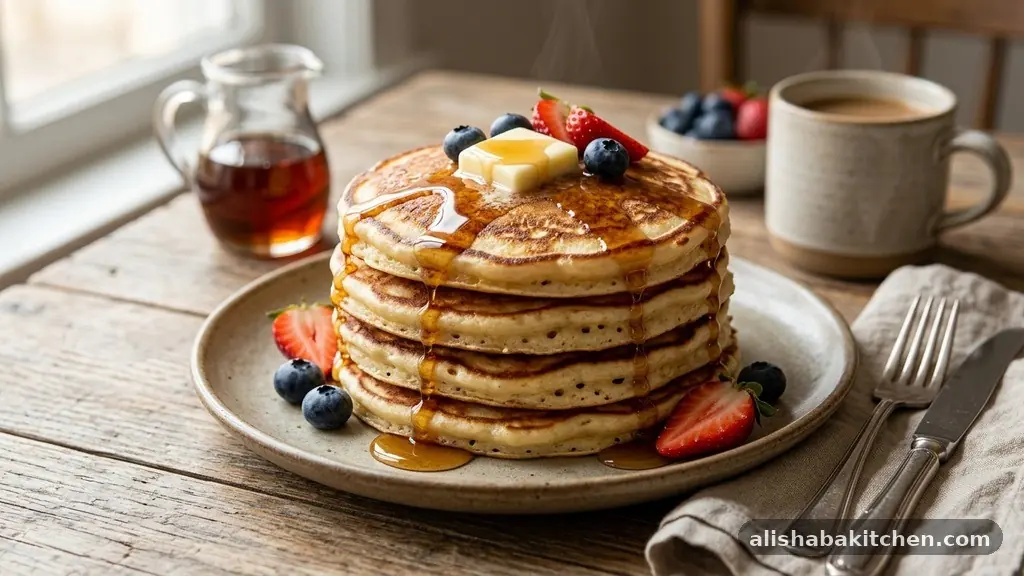
Learning the art of making Fluffy Homemade Pancakes From Scratch transforms an ordinary weekend morning into a cozy, memorable event. There is something deeply satisfying about whisking together basic pantry staples and watching them rise into tall, golden rounds on a hot griddle.
Ingredients
- 2 cups all-purpose flour
- 2 tablespoons granulated sugar
- 4 teaspoons baking powder
- 1/2 teaspoon fine sea salt
- 1 3/4 cups whole milk , at room temperature
- 1 large egg, lightly beaten
- 4 tablespoons unsalted butter , melted and slightly cooled
- 1 teaspoon pure vanilla extract
- Additional butter or neutral oil for the pan
Instructions
- In a large mixing bowl, whisk together the flour, sugar, baking powder, and salt until well combined and aerated.
- Create a small well in the center of the dry ingredients to prepare for the wet components.
- In a separate medium bowl, whisk the milk, egg, melted butter, and vanilla extract until the mixture is uniform.
- Pour the wet mixture into the well of the dry ingredients.
- Using a large spoon or spatula, gently fold the mixture together until just combined.
- Stop mixing while there are still a few small lumps visible, as over-mixing leads to tough, rubbery cakes.
- Let the batter rest on the counter for 10 minutes, which allows the starch molecules in the flour to hydrate fully.
- Preheat a non-stick skillet or a heavy-duty griddle over medium heat until a drop of water sizzles upon contact.
- Lightly grease the surface of the pan with a small amount of butter or neutral oil using a paper towel.
- Pour 1/4 cup of batter onto the hot surface for each pancake , ensuring they have enough space to spread.
- Cook until bubbles form on the surface and the edges appear set and dry, which usually takes about 3 to 4 minutes.
- Carefully flip each pancake with a wide spatula and cook the other side until golden brown, about 2 minutes more.
- Transfer the finished cakes to a warm plate and repeat the process with the remaining batter.
Similar Posts
Creamy Chicken Pasta Recipe for an Easy Weeknight Meal
Finding a reliable creamy chicken pasta recipe for an easy weeknight meal is often the key to keeping your kitchen routine stress-free and satisfying. This dish brings together tender protein and velvety sauce in a way that feels indulgent yet remains entirely achievable after a long day. You will appreciate how quickly it comes together,…
Simple Chicken Rice Recipe for a Complete Family Meal
Finding a reliable, simple Chicken Rice Recipe for a Complete Family Meal is the secret to stress-free weeknight dinners. This dish combines tender protein and fluffy grains into one pot, saving you time on cleanup while delivering comfort in every bite. Whether you are feeding hungry kids or looking for a quick meal prep solution,…
Easy Homemade Tomato Soup for a Cozy Dinner
Crafting an easy Homemade Tomato Soup for a Cozy Dinner is one of the most rewarding ways to spend an hour in your kitchen. This classic dish balances bright acidity with a comforting, velvety texture that store-bought versions simply cannot replicate. By selecting quality ingredients and allowing them to simmer together, you create a meal…
Crispy Oven-Baked Chicken Wings With Simple Seasoning
Preparing crispy oven-baked chicken wings with simple seasoning at home is a rewarding way to enjoy a classic pub favorite without the hassle of deep-frying. By focusing on a few foundational techniques, you can achieve a shatteringly crisp skin and juicy interior that rivals any restaurant version. This approachable method relies on basic pantry staples…
How to Make Classic Mac and Cheese From Scratch
Making Classic Mac and Cheese From Scratch is a fundamental skill that transforms simple pantry staples into pure comfort. By mastering a proper béchamel sauce and choosing the right cheeses, you can create a dish that far surpasses any boxed version. This process relies on balancing creamy textures with a sharp, savory flavor profile. Whether…
Creamy Garlic Chicken Recipe for a Quick Family Dinner
Finding a reliable Creamy Garlic Chicken Recipe for a Quick Family Dinner can transform your weeknight routine into something special. This dish balances tender poultry with a rich, aromatic sauce that feels indulgent but comes together in under forty-five minutes. You’ll appreciate how the simple ingredients meld into a restaurant-quality meal that satisfies even the…