Chicken Karahi-Style Skillet

Karahi is one of the dishes I grew up with, and it is pure comfort — chicken cooked down with tomatoes, ginger, garlic and green chilli until rich and deeply flavoured. Traditionally made in a karahi wok, it works beautifully in a skillet. There is no long list of spices here; the flavour comes from good technique and fresh aromatics.
The key is letting the tomatoes cook right down and finishing with plenty of fresh ginger and chilli. Serve it with naan or rice and you have a dinner that tastes like it took far longer than it did.
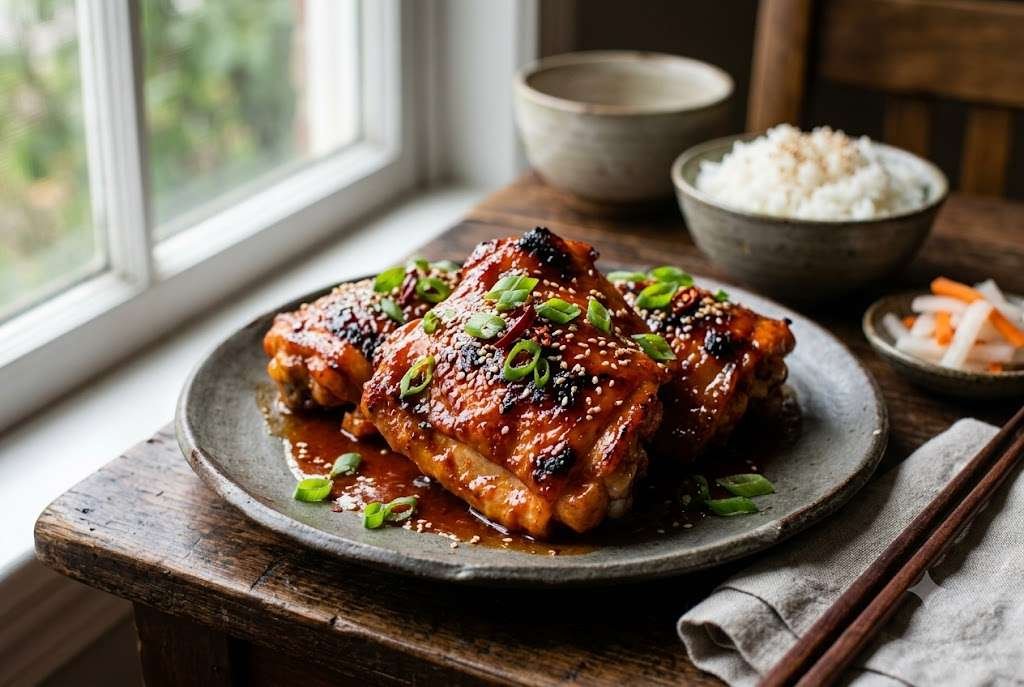
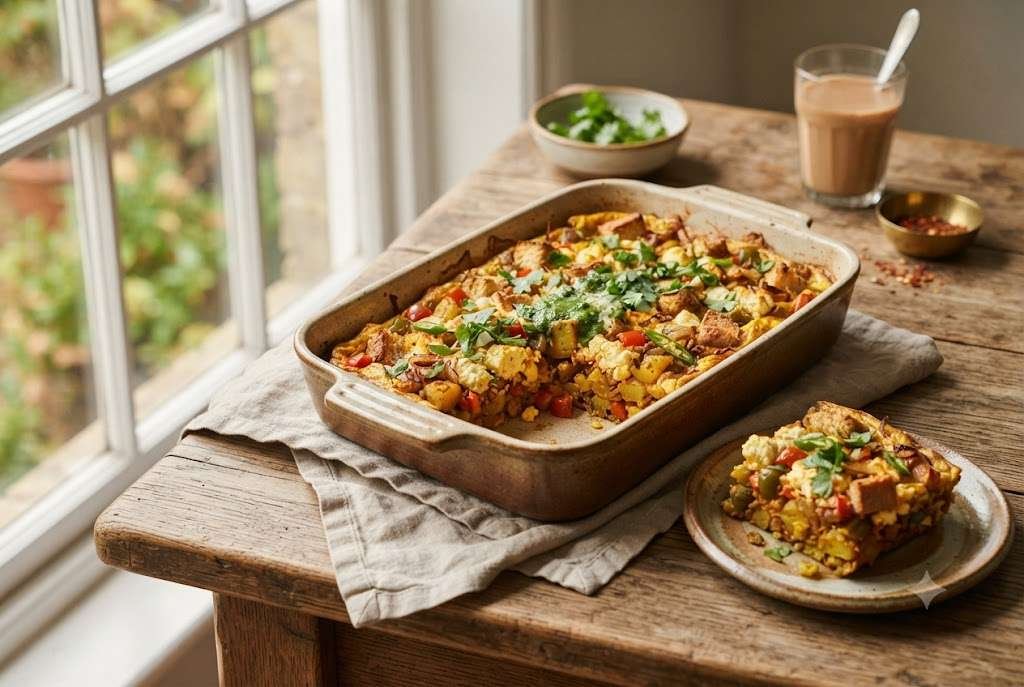
For more bold flavours, try my gochujang glazed chicken thighs, or the spiced masala omelette breakfast bake.
Why this recipe works
Cooking the tomatoes right down concentrates them into a rich, jammy base that clings to the chicken. Adding ginger and green chilli both early and as a fresh garnish gives layers of warmth and brightness. High-heat cooking, karahi-style, keeps the sauce thick rather than watery.
What you'll need
Fresh aromatics do the heavy lifting:
- Chicken: bone-in pieces give the most flavour, but boneless works and cooks faster.
- Tomatoes: fresh, cooked right down into a thick base.
- Ginger and chilli: used in the cooking and as a fresh finish.


Smart swaps: use boneless thighs for speed, or mutton (longer cook). Add a spoonful of yogurt for creaminess. Adjust chilli to taste. Serve with naan, roti or plain rice and a wedge of lemon.
Chicken Karahi-Style Skillet
Bold home-style chicken karahi. Serves 4.
Ingredients
- 800 g chicken pieces
- 4 tbsp oil
- 5 tomatoes, chopped
- 6 garlic cloves, crushed
- 2 tbsp ginger, julienned
- 3 green chillies, slit
- 1 tsp cumin
- 1 tsp coriander powder
- 1 tsp salt
- Fresh coriander to serve
Method
- Heat the oil in a large skillet over high heat. Brown the chicken pieces well, then remove.
- Add the garlic and cook 30 seconds, then the tomatoes, cumin, coriander and salt.
- Cook the tomatoes down 8–10 minutes, until thick and the oil starts to separate.
- Return the chicken, add half the ginger and chilli, cover, and cook 15–18 minutes until tender.
- Uncover and cook off excess liquid until the sauce clings to the chicken.
- Finish with the remaining fresh ginger, chilli and coriander. Serve with naan or rice.
Step by step
Step 1 — Brown, then build the base
Brown the chicken first for flavour, then cook the tomatoes right down with the garlic and spices until thick and the oil separates — that is the karahi base.

Step 2 — Simmer the chicken
Return the chicken with ginger and chilli and let it cook through in the rich base, absorbing all that flavour.
Step 3 — Reduce and finish fresh
Cook off any excess liquid so the sauce clings, then finish with fresh ginger, chilli and coriander for brightness.

Pro tips
- Cook the tomatoes right down. A thick base is the difference between karahi and a watery curry.
- Use high heat. Karahi is cooked hot and fast for a clinging sauce.
- Add ginger and chilli twice. Once in cooking, once fresh, for layered flavour.
- Brown the chicken. This builds a savoury depth.
- Finish fresh. A shower of coriander and ginger lifts the whole dish.
Storage & make-ahead
Karahi keeps in the fridge for up to 3 days and, like most curries, tastes even better the next day as the flavours settle. It freezes well for up to 3 months. Reheat gently, adding a splash of water if needed, and finish with fresh coriander to revive it.
Variations & substitutions
- Creamy: stir in a spoonful of yogurt near the end.
- Mutton karahi: use mutton and cook longer until tender.
- Extra spicy: add more green chilli and a pinch of black pepper.
- Smaller batch: use the ½x scaler for two.
Frequently asked questions
What makes a karahi different from a curry?
It is cooked hot and fast to a thick, clinging tomato base, with fresh ginger and green chilli rather than a long spice list.
Can I use boneless chicken?
Yes — boneless thighs cook faster. Bone-in pieces give a deeper flavour if you have time.
How do I make it less spicy?
Use fewer green chillies and deseed them. The dish still has plenty of flavour from the tomatoes and ginger.
What do I serve with it?
Naan, roti or plain rice, with a wedge of lemon and extra fresh coriander.
Final thoughts: this karahi is the taste of home for me, and it proves that a few fresh aromatics can carry a whole dish. Make it your spice level and tell me how it goes over on the contact page.
For more on South Asian home cooking techniques, Serious Eats has thoughtful guides.

About Alishba
I'm a self-taught home cook who writes recipes the honest way — refined until they genuinely work, with no shortcuts and no fake awards. More recipes by Alishba →